
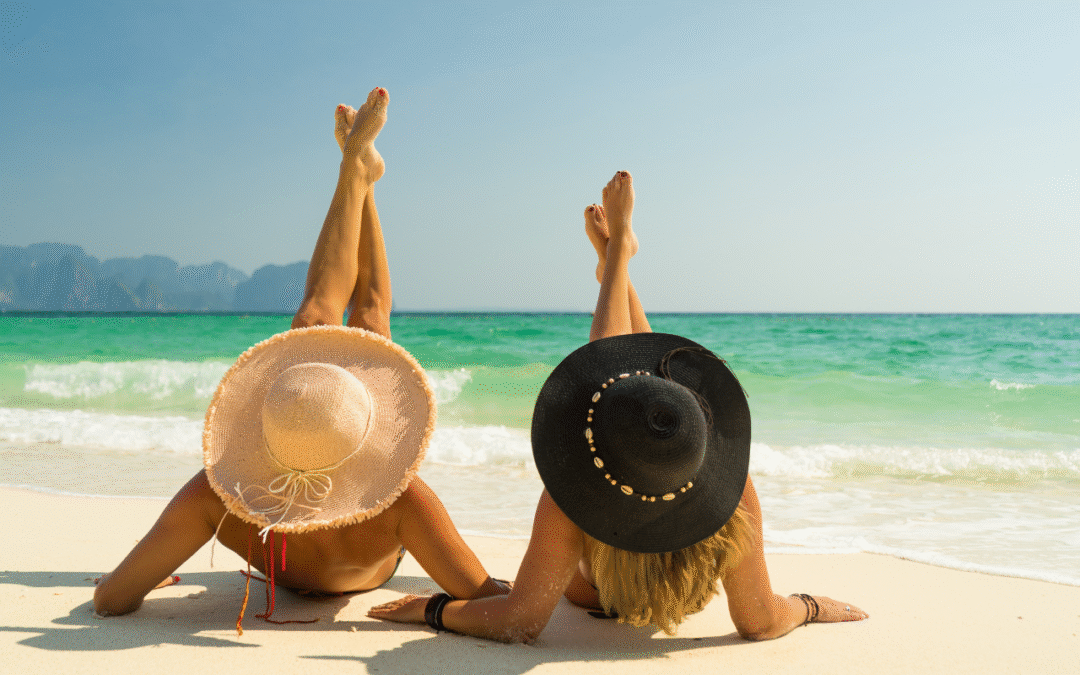
Naturism is a lifestyle promoting harmony with nature, self-respect, and respect for others. Unfortunately, it is often misunderstood and misrepresented, surrounded by myths we’ve already taken the time to dispel. That’s why following our rules of being a good nudist today is more important than ever before.
Rooted in principles of dignity and non-sexual communal nudity, naturism emphasizes comfort, consent, and community standards to create safe, welcoming environments. Either way – whether you’re a long-time naturism enthusiast or just starting to explore it – knowing the rules is essential.
This guide explores essential rules, social boundaries, and dress codes to help both newcomers and experienced naturists embrace this freeing lifestyle with confidence and respect.
KEY TAKEAWAYS
- Essential rules of nudist etiquette to ensure comfort, respect, and safety in naturist settings
- Clear explanations of dress code distinctions between clothing-optional and clothing-free zones
- Practical guidance on social interactions, personal boundaries, and how to confidently embrace naturism

The nudist community operates under a well-established set of etiquette guidelines designed to ensure comfort, safety, and respect for all participants.
These rules have evolved over decades to create a safe, respectful space where people can enjoy the many benefits of naturism in a non-sexual, family-friendly atmosphere.
Rule No.1: Always Carry a Towel and Sit on It (The Golden Rule)
The most fundamental rule in nudist etiquette is carrying a towel at all times and using it as a barrier when sitting on any shared surface. This practice, often called the “golden rule” of naturism, serves multiple hygiene purposes.
The towel creates a sanitary barrier between your body and chairs, benches, sunbeds, loungers, pool equipment, or any other shared furniture. This rule applies universally across all naturist venues, from beaches to resorts to social events. And since wearing clothes at a naturist beach can be mandatory in some cases, having a towel will make your life much easier.
“A good beach towel isn’t just a luxury – it’s an essential if you want to enjoy a naturist environment the right way. If you are on a nudist beach, your skin is fully exposed, and having a barrier between you and the sand is crucial.
Modern towels come with clever features like quick-drying materials and sand-resistant fabrics, but even the simplest one can do the trick if it’s large, lightweight, and easy to pack.”
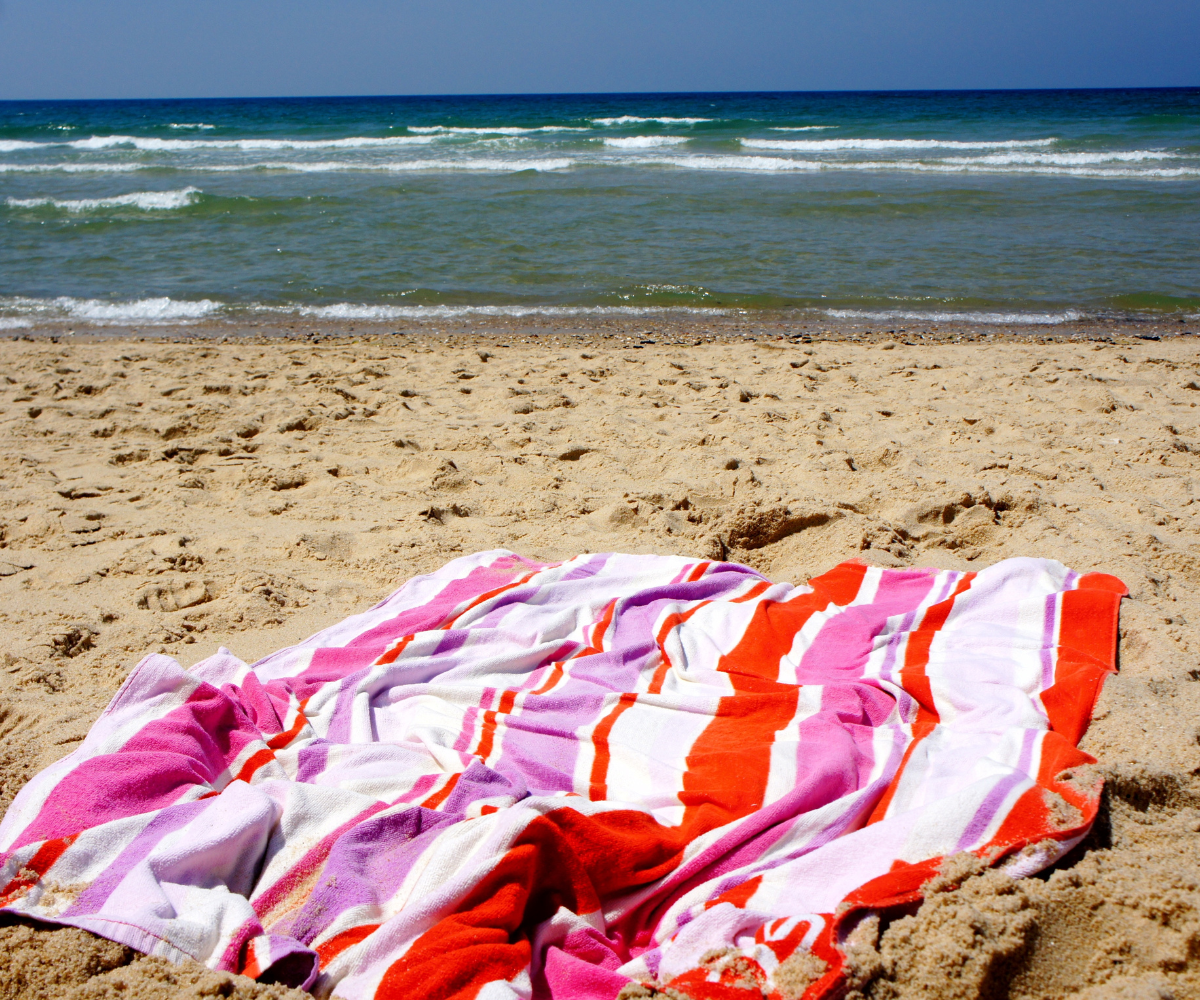
Naturists are known for being exceptionally clean people, but the towel rule ensures everyone maintains the highest hygiene standards regardless of personal habits.
Most venues will either require you to bring your own towel or offer them for purchase if you forget. The expectation is so universal that experienced naturists consider it as automatic as putting on clothes would be in textile environments.
If you’re wondering what else might be useful to bring to a nudist beach, this article could help you decide.
Rule No.2: Respect Personal Space and Maintain Appropriate Boundaries
Personal boundaries take on heightened importance in naturist settings due to the vulnerable nature of social nudity. The community emphasizes maintaining appropriate physical distance from others, especially when choosing where to position yourself on beaches or around pools.
When selecting a spot to sit or lie down, naturists should allow more space between themselves and others than they might in clothed environments.

Physical contact follows strict consent-based protocols. Unwanted advances, touching, or any behavior that creates discomfort for others is strictly prohibited. This includes stalking, inappropriate personal comments, harassment, or any acts that might cause alarm or distress.
If you’re visiting unmanaged nudist spots – like free beaches – it’s important to understand what type of beach you’re on, as that can greatly affect your safety.
Sexual behavior of any kind is completely forbidden in public areas. This includes sexually suggestive language, dancing, displays of affection, or any conduct that could be interpreted as sexual in nature.
The entire philosophy of naturism centers on separating nudity from sexuality, creating safe spaces where people can be nude without any sexual context.
Rule No.3: No Staring, Photography, or Sexual Behavior Policies
Photography restrictions represent one of the strictest policies in naturist communities. Most venues operate under a “no cameras in public areas” rule, with some facilities placing stickers over camera lenses at check-in to ensure compliance.
Never photograph anyone without explicit permission, and even when photography is allowed in designated areas, all individuals in the photo must consent.

The “don’t stare” rule, while seemingly obvious, requires particular attention in naturist settings. Looking is natural, but ogling, gawking, or sustained staring makes people uncomfortable and violates community standards.
Naturists recommend bringing a book or engaging in activities to help maintain appropriate eye contact and avoid making others feel scrutinized.
Rule No.4: Follow The Hygiene Standards and Cleanliness Expectations
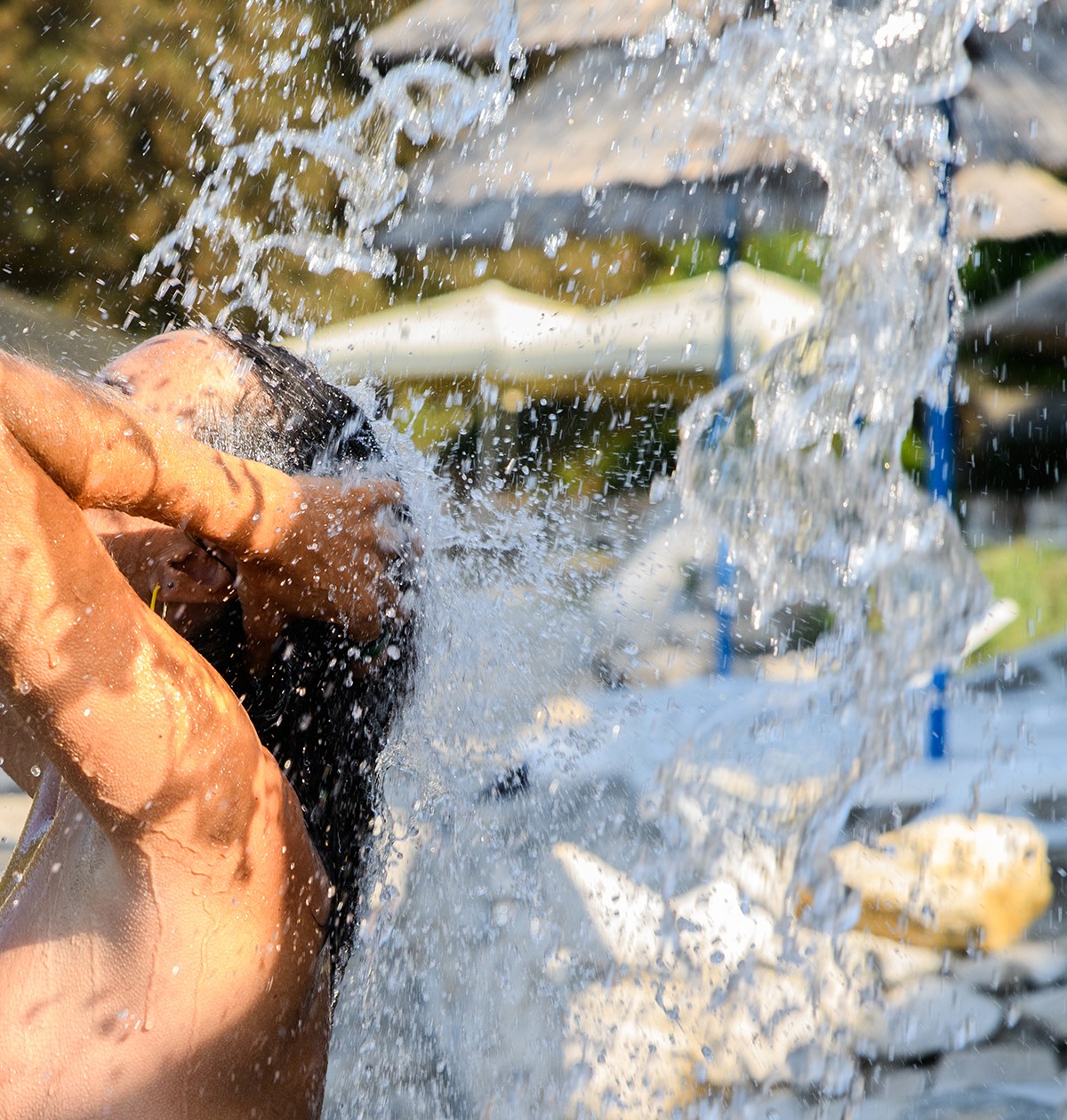
Naturist venues maintain exceptionally high cleanliness standards, with personal hygiene being mandatory at all times. Showering with soap and water is typically required before entering pools, hot tubs, or saunas. Many facilities have posted rules about rinsing off before using shared water facilities to maintain water quality and hygiene for all users.
Venues emphasize keeping all public and private areas clean. This extends beyond personal hygiene to environmental stewardship – naturists are expected to leave spaces cleaner than they found them and never litter. The community takes pride in maintaining pristine environments that respect both the facilities and the natural surroundings.
Rule No.5: Appropriate Conversation Topics and Social Interactions
Naturist social interactions generally follow the same rules as everyday life, with a bit of extra sensitivity due to the nature of social nudity. It’s best to avoid commenting on anyone’s body.
If navigating these situations feels a bit awkward at first, don’t worry – it gets easier with time. The naturist community values kindness, respect, and focusing on the person, not their appearance.
Appropriate topics include the same subjects you would discuss in any social setting: hobbies, travel, current events, shared interests, and general life experiences.
Many naturists find that conversations tend to be more genuine and open because the removal of clothing often corresponds with the removal of social pretenses and status symbols.
There are various nudist social situations, and everything depends on your level of self-confidence and commitment to nudism. In addition to simple chats on the beach, events like the World Naked Bike Ride or the Naked Run are well-known in the naturist community.

When meeting new people, maintain normal eye contact during conversations. This demonstrates respect and helps normalize the social nudity experience. The goal is to interact as you would in any social setting, treating nudity as simply the absence of clothing rather than something requiring special attention or comment.
If you’re completely new to nudism and need a few tips on how to get started, how to behave, and where to find a good spot – we’ve got you covered in this article.
Dress Code Guidelines: When Clothes Are Required
Understanding when and where clothing is required in naturist environments is crucial for both newcomers and experienced naturists. The distinction between clothing-optional and clothing-free zones, along with specific venue requirements, creates a framework that balances personal comfort with community standards and practical considerations.
Clothing-Optional vs. Clothing-Free Zones
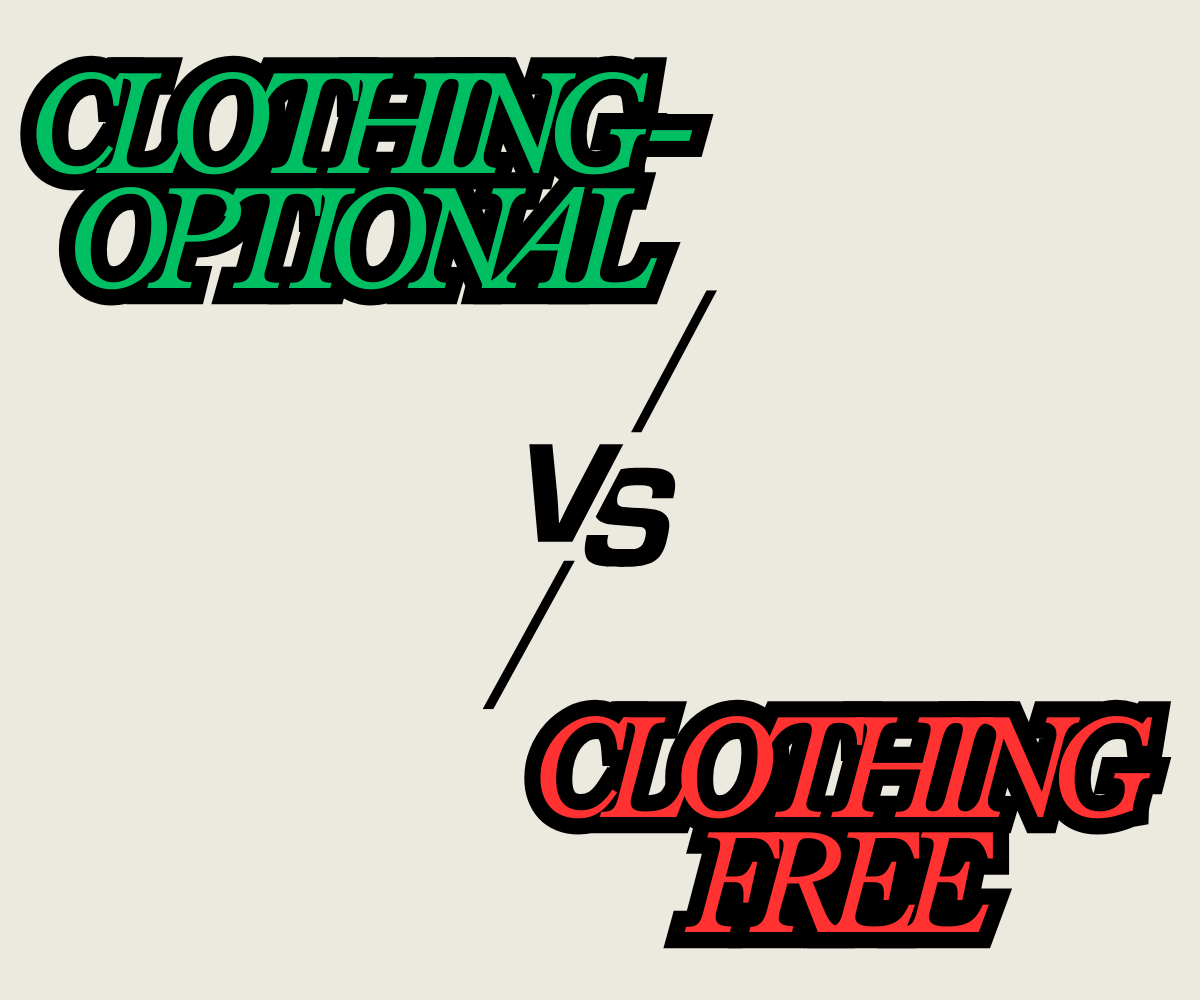
Clothing-optional venues allow visitors to choose whether to wear clothes or go nude in designated areas, providing flexibility especially valuable for newcomers to naturism. These environments recognize that many first-time visitors prefer to “ease out of their clothes” gradually as they become comfortable with social nudity.
At clothing-optional locations, you might see a mix of fully clothed, partially clothed, and nude individuals, particularly during weather transitions or among visitors with varying comfort levels.
Clothing-free or nudist venues expect participants to be nude in public areas, with nudity being strongly encouraged or required throughout the facility. These locations operate on the principle that everyone should be on “equal footing” to create the authentic naturist experience. The expectation is that when weather conditions permit, guests will embrace full nudity as part of the community experience.

The distinction often exists for marketing and accessibility reasons. Resort owners recognized that the term “clothing-optional” sounds more approachable to potential visitors who might feel intimidated by strictly nudist venues. However, at most clothing-optional resorts, the vast majority of guests end up nude anyway, especially during warmer months when nearly 100% of participants choose to go without clothes.
Specific areas within resorts may have different requirements regardless of the overall venue designation. For example, pools, hot tubs, and saunas typically require nudity even at clothing-optional resorts. This policy combines hygiene considerations with the authentic naturist experience these facilities aim to provide.
Conclusion
Research consistently shows that naturist activities significantly improve body image, self-esteem, and overall life satisfaction. By understanding and respecting these naturist rules, you can safely embrace this transformative philosophy that honors human dignity in its most natural form.
It’s important to know that you’re not alone – the naturist community is always there to support others on their journey!
Frequently Asked Questions
Do I have to be naked everywhere at a nudist venue?
Not always – clothing requirements depend on the venue. Clothing-optional venues let you choose, while clothing-free venues expect nudity in most public areas. Pools, hot tubs, and saunas almost always require nudity for hygiene reasons.
What items do I need to bring to a nudist resort or beach?
Always bring a large towel for sitting, sunscreen, water, and any personal hygiene items you may need. A hat and sandals are also helpful for sun protection and comfort.
Is photography allowed in naturist settings?
No, photography is generally prohibited in public areas to protect everyone’s privacy. Never take pictures without clear, explicit consent from every person in the photo.
How should I interact with other naturists?
Treat others with respect just as you would anywhere else: avoid comments on appearance, maintain personal boundaries, and engage in friendly, appropriate conversation focused on common interests rather than nudity.

Dino Jurešić is one of the hosts of the FKK beach Kandarola in Croatia and an active promoter of naturism in the region. He had his first encounter with naturism at the age of seven when he actively joined the nudist community at Kandarola Beach. He has spent almost his entire life growing up on the nudist beach, gaining experience and building connections. He regularly writes for the Kandarola blog and is involved in networking within the nudist community.