

Naturism is a lifestyle and philosophy that embraces living in harmony with nature through social nudity. Far beyond the simple act of being unclothed, it promotes values such as body positivity, respect, and environmental awareness. Still, whether you are a naturist yourself or just want to explore nudism, a question that often comes up in conversations and online discussions among beginners is why people practice nudism and what is the purpose of nudism.
In this article, we will explore the purpose of naturism, why people practice it, its many benefits, and helpful tips for those interested in discovering this liberating way of life.

Naturism is a lifestyle and philosophy promoting living in harmony with nature through social nudity, but it is much more than mere nakedness. At its core, naturism embraces foundational principles such as respect for oneself and others, body positivity, non-sexual social interaction, acceptance, and environmental consciousness.
It creates a community where individuals can feel comfortable and free from societal judgments, cultivating self-acceptance and dismantling unrealistic beauty standards.
So, we can argue that the purpose of naturism is to create a respectful social environment where individuals can experience freedom and authenticity in their natural state while reinforcing a deep connection to the natural world.
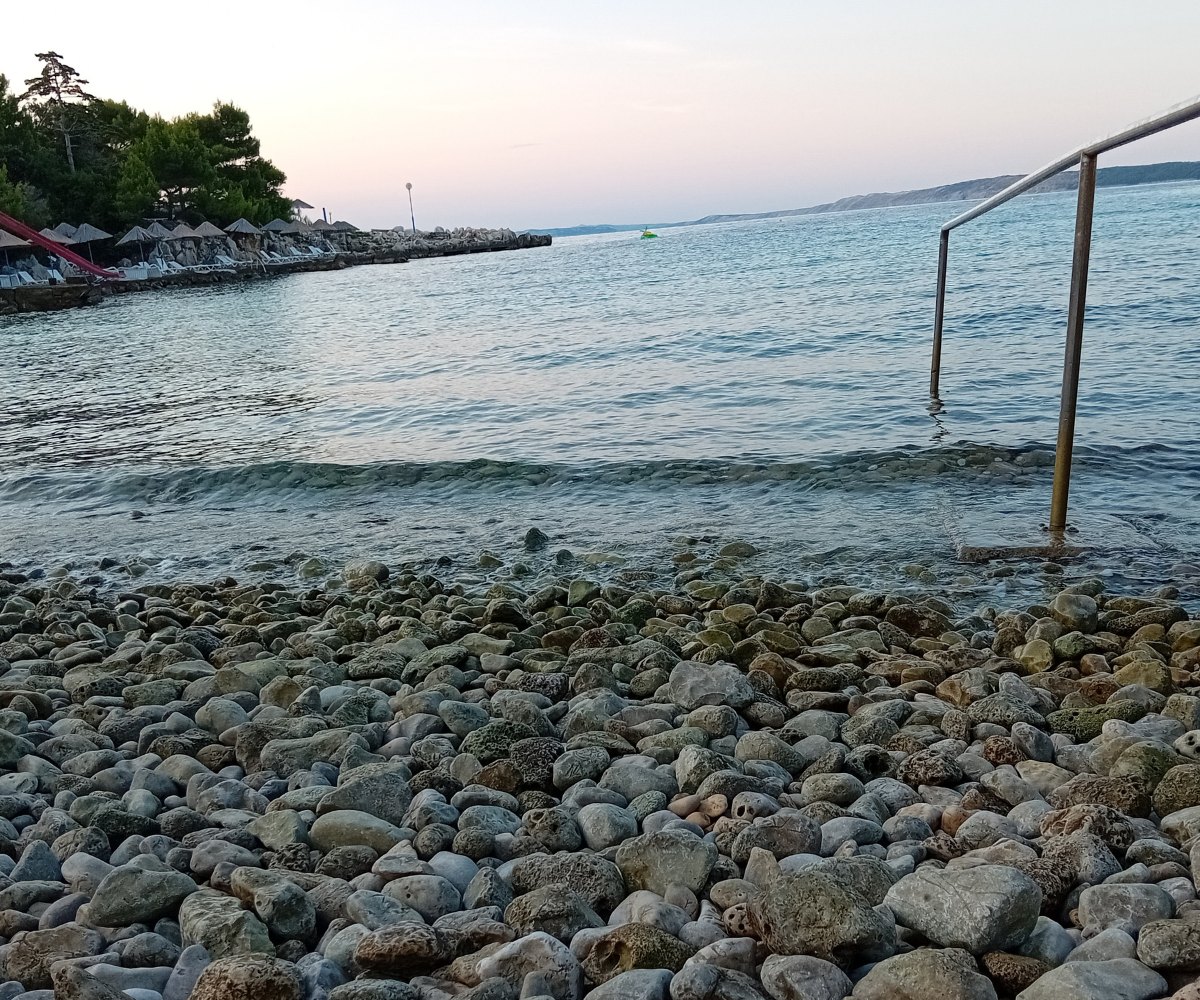
Unlike simple nudity, which can sometimes be linked to exhibitionism or sexual contexts, naturism is explicitly non-sexual and is good for our health. It emphasizes social nudity as a way to break down barriers and prejudices, encouraging respect and equality regardless of body shape, size, or appearance.
This also connects strongly to environmental consciousness, as naturists often advocate for preserving nature, minimizing environmental impact, and experiencing the outdoors intimately and respectfully.
In a nutshell, it’s a lifestyle that combines outdoor activities, community, body acceptance, and ecological awareness to reconnect people to our true source – nature.
Why Do People Practice Naturism?
Most Important Benefits Of Naturism
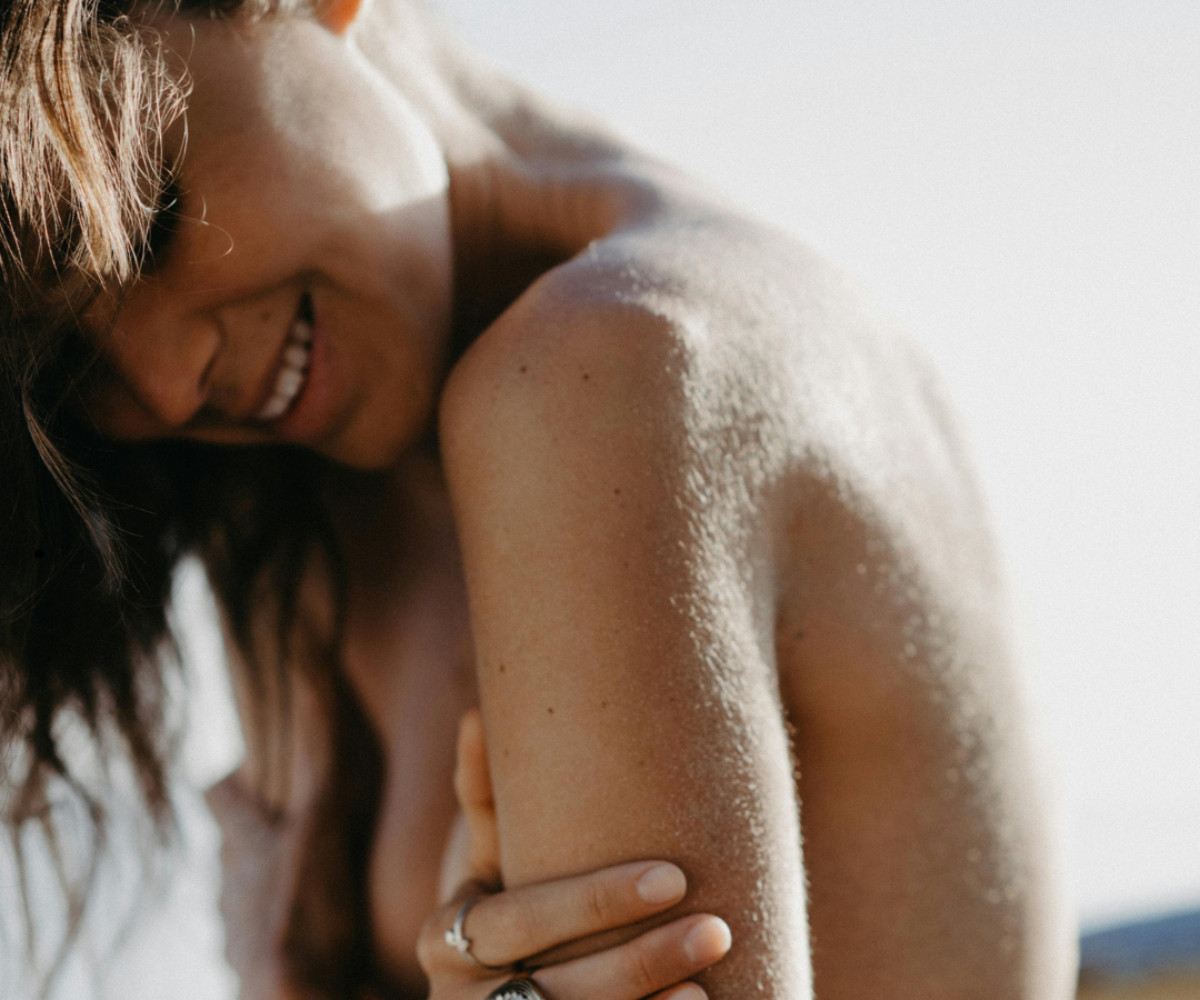
People practice naturism for a variety of deeply beneficial reasons that extend well beyond simply being unclothed.
One key motivation is the improved body image and reduced body shame that often comes from embracing the natural form in a judgment-free environment.
Naturism encourages acceptance of all body types, helping individuals shed the unrealistic standards society imposes, which enhances self-confidence and self-esteem. This acceptance developes mental well-being and a healthier relationship with one’s body.
Another important reason is stress reduction through FKK lifestyle. Being nude outdoors in natural settings promotes relaxation and a sense of freedom, which can significantly diminish stress levels. Also, the exposure to sunlight and fresh air while practicing naturism has physiological benefits such as better heart rate regulation and improved mood, contributing to overall emotional well-being.
Nature immersion therapies linked to outdoor social nudity show positive effects on mental health by alleviating anxiety and encouraging calmness.
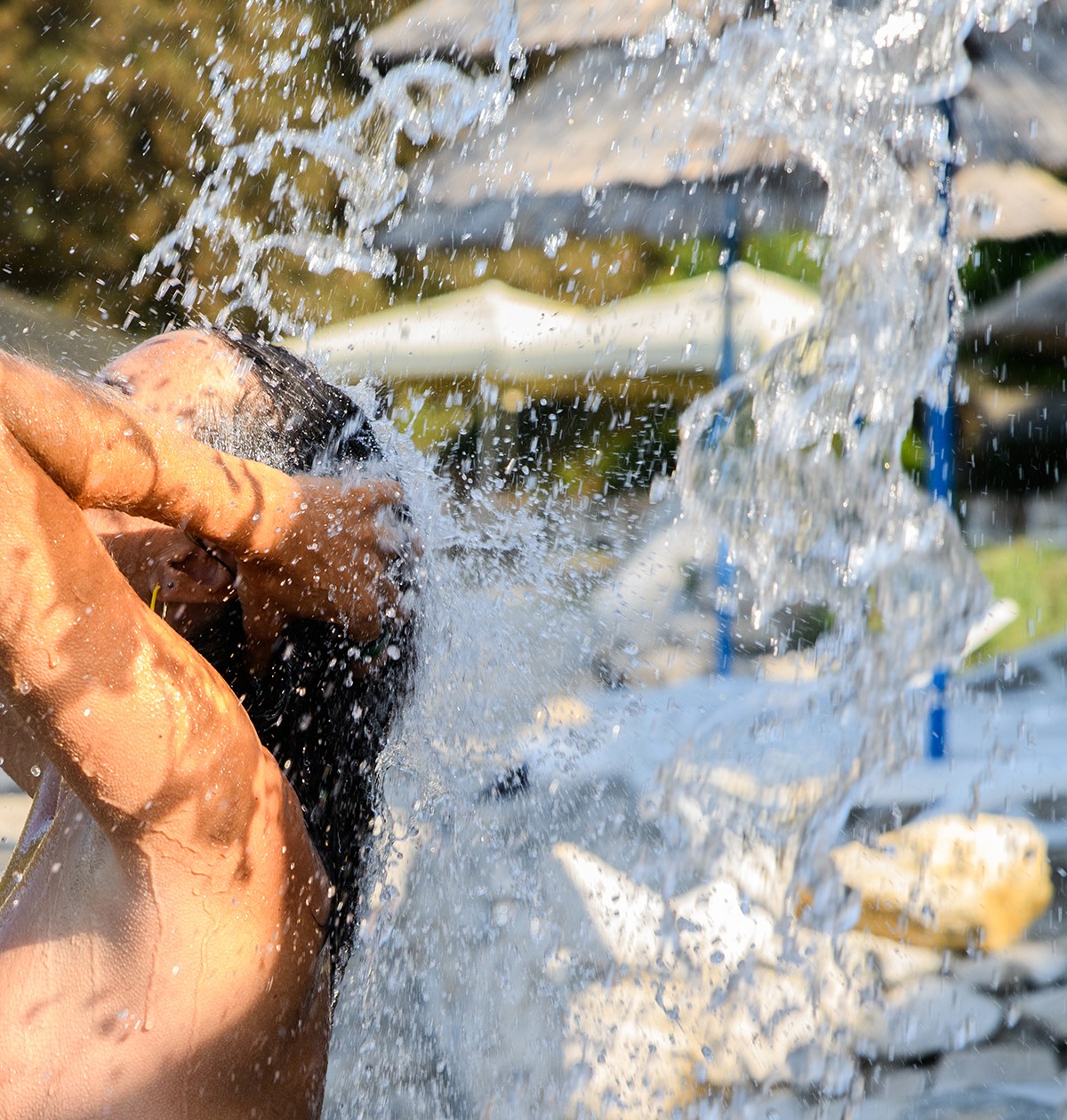
Practicing naturism also promotes enhanced self-confidence and self-esteem by encouraging people to be comfortable in their own skin without the usual societal pressures related to appearance and clothing. Individuals can develop a positive self-image in a supportive community that values non-judgmental social interaction.
This is true and is a significant advantage for those who practice family naturism. Learning from an early age how to view yourself and the world around you positively is a considerable benefit in today’s consumer-driven society.
Many naturists appreciate the freedom from clothing-related anxiety and judgment. Clothing can often evoke body-related insecurities or social comparisons; removing it in a respectful, norm-free setting allows greater personal freedom and authenticity.
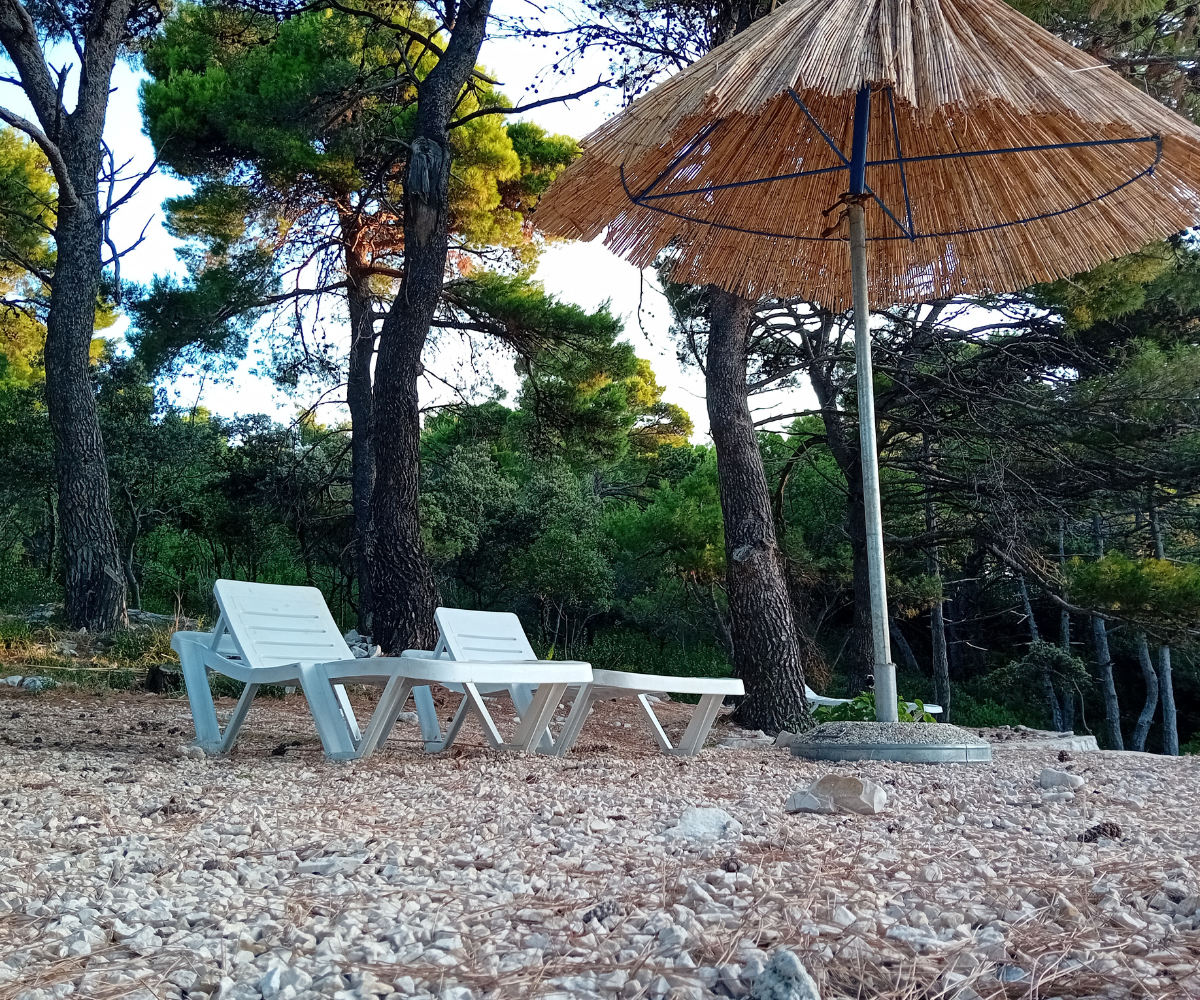
Finally, the therapeutic effects of sun exposure and fresh air are widely recognized benefits of naturism. Sunlight exposure encourages vitamin D production, important for bone health, immune function, and mood regulation, while fresh air improves circulation and skin health. These factors contribute to improved physical health alongside the mental benefits of naturism.
By blending physical health advantages, psychological benefits, and a profound connection to nature and community, naturism offers practitioners a holistic path to well-being and self-acceptance.
Tips For Beginners: How To Start Being A Nudist?
Start by experimenting with nudity in the privacy of your own home to build comfort. When attending naturist events or clubs, bring a cover-up like a sarong or towel for times you may want or need to cover up. It’s important to relax and take things at your own pace – no one will force you to be naked until you’re ready. If you need help to find naturist places nearby, check out this interesting tool – Nude beach Map.
Learn the rules, such as sitting on a towel for hygiene and respecting others’ space. Choose simple, easy-to-remove clothing and be prepared to dress if the weather changes or you need to enter non-naturist areas.
Joining naturist communities or visiting official nudist beaches – like Kandarola – can provide supportive environments that make the experience more enjoyable and less intimidating.

You can check out our article “Naturism for beginners” for any help if you’re just starting this awesome journey.
Conclusion
In essence, the purpose of naturism is to cultivate a respectful social space where individuals can freely express their authentic selves in harmony with nature, strengthening their bond with the natural world.
Whether you’re new to naturism or exploring its philosophy, embracing this way of life can help cultivate authenticity, community, and a healthier relationship with your body and the natural world.
Frequently Asked Questions
What exactly is naturism and how is it different from simply being nude?
Naturism is a lifestyle and philosophy that promotes living in harmony with nature through social nudity, grounded in respect, body positivity, and environmental awareness. Unlike mere nudity, which may be for exhibitionism or shock, naturism emphasizes non-sexual social interaction, acceptance, and community support in a natural setting.
Why do people choose to practice naturism?
People practice naturism for many reasons, including improved body image, reduced body shame, stress relief, increased self-confidence, and freedom from clothing-related anxiety. Additionally, naturism encourages a strong connection to nature, while offering therapeutic benefits from sun exposure and fresh air.
What are some benefits of adopting a naturist lifestyle?
Naturism benefits include enhanced self-esteem, better mental well-being, improved physical health through vitamin D synthesis and skin breathability, stress reduction, and a greater sense of freedom. Socially, it fosters inclusive, non-judgmental communities that promote body positivity and authentic connections.
What tips would you offer to someone new to naturism?
Beginners should start by getting comfortable with nudity in private settings before attending naturist events. It’s helpful to bring cover-ups like towels or sarongs, follow naturist etiquette such as sitting on towels, and take things at your own pace. Joining supportive naturist communities or visiting official nudist beaches can make the experience easier and more enjoyable.

Dino Jurešić is one of the hosts of the FKK beach Kandarola in Croatia and an active promoter of naturism in the region. He had his first encounter with naturism at the age of seven when he actively joined the nudist community at Kandarola Beach. He has spent almost his entire life growing up on the nudist beach, gaining experience and building connections. He regularly writes for the Kandarola blog and is involved in networking within the nudist community.