
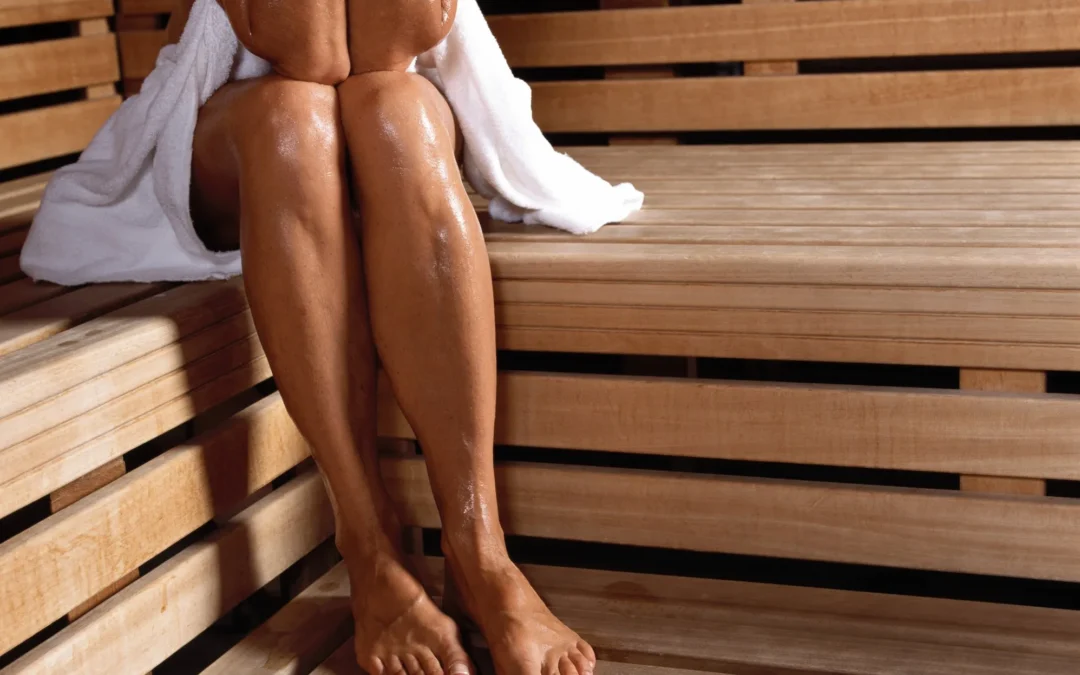
Naturism is most enjoyed during the summer months – outdoors and by the sea. But being a naturist doesn’t have to depend on summer, beaches, or warm weather. In fact, more people than ever are embracing the indoor naturist lifestyle, proving that naturism is not seasonal – it’s a mindset.
An indoor naturist practices naturism primarily at home or in private indoor spaces, making it accessible year-round, even during winter months when outdoor nudity isn’t practical. This approach allows people to enjoy the same physical, mental, and lifestyle benefits of naturism – without relying on sunshine or swimming season.
Let’s explore four key benefits of being an indoor naturist, and why living clothes-free at home might be easier – and more rewarding – than you think.
KEY TAKEAWAYS
-
- Naturism is a year-round mindset, not a seasonal activity
- Living nude indoors supports both physical and mental well-being
- Clothing-free living encourages more authentic connection
- Indoor naturism naturally leads to a simpler, more sustainable lifestyle

Many indoor naturists notice improved sleep quality by sleeping nude, as it helps regulate body temperature and supports deeper, uninterrupted rest – especially during colder months when overheating under layers is common.
Living clothes-free indoors also improves circulation and skin health. Without tight or synthetic fabrics, the skin can breathe naturally, reducing irritation and promoting comfort throughout the day.
Even weight management and body awareness improve for indoor naturists. Being nude at home increases awareness of posture, movement, and physical sensations, often leading to healthier habits and a more intuitive relationship with the body.
While vitamin D is often associated with outdoor naturism, indoor naturists can still benefit by combining short, safe sun exposure near windows or balconies when possible – without making outdoor nudity a requirement.

Improved Mental Well-Being and Stress Relief at Home
2. One of the strongest reasons people become indoor naturists is the mental relief it brings.
Living nude in your own space builds self-acceptance and body confidence. Regular exposure to your natural body – without mirrors, filters, or clothing – helps normalize imperfections and reduce negative self-talk, boosting your confidence.
Indoor naturism is also deeply stress-reducing. At home, nudity removes both physical and psychological pressure. There’s no dress code, no expectations, and no performance – just comfort and authenticity.
Many indoor naturists report increased mindfulness. Feeling temperature changes, textures, and movement without clothing keeps you grounded in the present moment, turning everyday indoor activities into more conscious, calming experiences.
Stronger Relationships and Authentic Connections
3. Indoor naturism can positively affect how we connect with others, even within private spaces.
Practicing naturism with a partner or family member often leads to more open communication and trust. Nudity naturally encourages honesty, vulnerability, and emotional closeness.
Indoor naturists also benefit from a broader sense of community, even if they practice alone at home. Online forums, naturist publications, and digital meetups help indoor naturists stay connected year-round, regardless of climate or location.
When you let go of clothes and the expectations tied to them, you may notice how much easier it becomes to relax and be yourself.
Indoor naturism can help you feel more at ease around others, as the usual social barriers quietly fall away, reminding you that genuine connection comes from who you are – not from appearance or clothing.
Practical, Minimalist, and Eco-Friendly Living
4. The indoor naturist lifestyle offers practical advantages that are hard to ignore.
Spending more time nude at home leads to less laundry, saving water, electricity, and time – especially noticeable during winter when clothing layers multiply.
Indoor naturists also spend less money on clothing, focusing on necessity rather than excess. This shift often encourages a more minimalist mindset and simplified daily routines.

From an environmental perspective, indoor naturism contributes to a smaller ecological footprint by reducing demand for fast fashion and textile production – making it a quiet but impactful sustainable choice.
Conclusion
Being an indoor naturist shows that naturism isn’t just something for beaches, resorts, or sunny vacations. It’s a way of living that can be enjoyed right at home, any time of year, and in a way that feels comfortable and natural to you.
All the physical, mental, social, and everyday benefits are still there indoors – sometimes they even feel stronger, thanks to the privacy and ease of making it part of your daily routine.
If you’ve ever felt that naturism only works in warm weather, indoor naturism gently reminds us of something simple:
Freedom begins at home, not at the shoreline.
Frequently Asked Questions
What is indoor naturism, and can it be practiced year-round?
Indoor naturism is the practice of living without clothes at home or in private indoor spaces. It can be enjoyed throughout the year, regardless of weather or season.
Does indoor naturism offer real health benefits?
Yes. Sleeping nude can improve sleep quality, while living clothes-free supports better circulation, healthier skin, and greater body awareness.
How does indoor naturism affect mental health and stress levels?
Being nude at home helps reduce stress, promotes relaxation, and encourages body acceptance. It also supports mindfulness during everyday activities.
Is indoor naturism a practical and sustainable lifestyle choice?
Yes. Less clothing means less laundry, lower expenses, and a smaller environmental footprint, often leading to a more minimalist lifestyle.

Dino Jurešić is one of the hosts of the FKK beach Kandarola in Croatia and an active promoter of naturism in the region. He had his first encounter with naturism at the age of seven when he actively joined the nudist community at Kandarola Beach. He has spent almost his entire life growing up on the nudist beach, gaining experience and building connections. He regularly writes for the Kandarola blog and is involved in networking within the nudist community.